
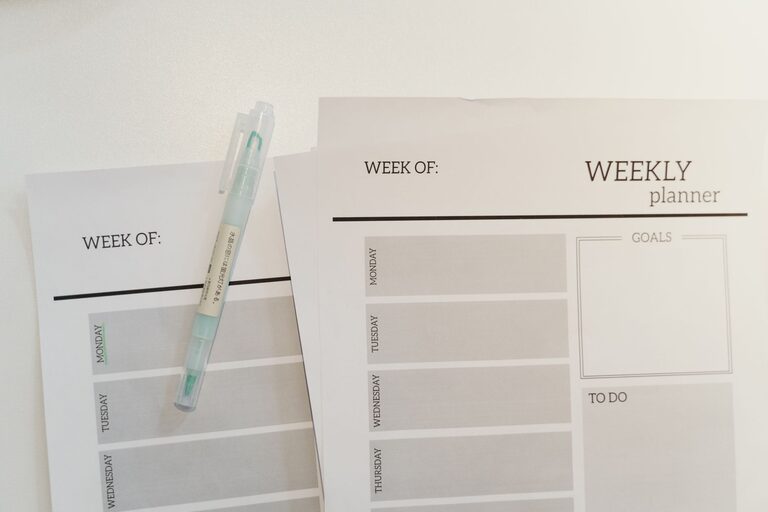
Setting weekly goals is a powerful way to stay focused and make steady progress toward your bigger objectives. However, unrealistic or vague goals can lead to frustration and burnout. To avoid this, it’s important to set realistic weekly goals that are clear, achievable, and motivating. This guide will walk you through practical steps to help you create effective weekly goals.
Why Set Weekly Goals?
Weekly goals break down larger projects or ambitions into manageable chunks. They provide a clear target for each week, helping you maintain momentum and track your progress. Unlike daily goals that might feel too granular, or yearly goals which can feel distant, weekly goals hit the sweet spot of manageable and motivating.
Step 1: Reflect on Your Bigger Picture
Before setting weekly goals, consider your broader aims:
– What are your monthly or quarterly priorities?
– What projects or skills do you want to focus on this year?
– Are there any deadlines or important events coming up?
Taking a moment to reflect ensures your weekly goals align with what truly matters.
Step 2: Review Your Current Commitments
Look at your calendar and existing tasks. Ask yourself:
– How much free time do I realistically have this week?
– Are there meetings, appointments, or personal obligations that limit my availability?
– Do I need to factor in rest and downtime?
Being honest about your current commitments helps you avoid overloading your schedule.
Step 3: Choose Specific and Measurable Goals
Vague goals like “work on project” or “exercise more” lack clarity. Instead, aim for specificity:
– “Complete the first draft of the report by Friday”
– “Exercise for 30 minutes, 4 times this week”
Specific goals clarify what success looks like and make it easier to track progress.
Step 4: Prioritize Your Goals
You might have a long list of things to do, but trying to tackle everything can be overwhelming. Narrow down to 3-5 key goals that will have the most impact.
Use the following criteria:
– Importance: Does this goal align with your bigger aims?
– Urgency: Does it need to be done this week?
– Feasibility: Can you realistically complete it given your schedule?
Prioritizing helps you focus your energy where it counts.
Step 5: Break Goals Into Actionable Steps
If a goal still feels too big, break it down further. For example, instead of “Prepare presentation,” list steps such as:
– Outline main points
– Create slides
– Practice delivery
Smaller steps feel more manageable and provide a clear roadmap.
Step 6: Set Deadlines and Checkpoints
Assign specific due dates for each goal or subtask within the week. This prevents procrastination and keeps you accountable.
Example:
| Goal | Deadline |
|—————————-|———–|
| Outline main points | Tuesday |
| Create slides | Thursday |
| Practice delivery | Friday |
You can also schedule brief midweek check-ins with yourself to assess progress.
Step 7: Use a Planning Tool or Journal
Record your goals and deadlines in a planner, digital app, or journal. This makes your intentions visible and harder to forget.
Popular tools include:
– Digital calendars (Google Calendar, Outlook)
– Task managers (Trello, Todoist, Asana)
– Bullet journals or notebooks
Choose a method that you find easy and enjoyable to use.
Step 8: Stay Flexible and Adjust as Needed
Sometimes unexpected events or challenges arise. It’s okay to adjust your goals or deadlines if necessary.
If you fall behind:
– Reassess the remaining tasks
– Shift less critical goals to next week
– Reflect on what caused the delay and how to improve next time
Flexibility helps maintain motivation without feeling discouraged.
Step 9: Celebrate Your Achievements
At the end of the week, take a moment to review what you’ve accomplished. Celebrate even small wins! This positive reinforcement encourages consistency.
You can:
– Check off completed goals
– Reflect on lessons learned
– Reward yourself with a small treat or break
Tips for Maintaining Motivation
– Keep your goals visible throughout the week.
– Share your goals with a friend or colleague for added accountability.
– Focus on progress, not perfection.
– Balance work goals with self-care activities.
Summary Checklist for Setting Realistic Weekly Goals
– Reflect on your bigger aims and priorities
– Assess your available time and commitments
– Choose specific, measurable goals
– Prioritize top goals (3-5)
– Break big goals into actionable steps
– Set deadlines and milestones
– Use a planner or digital tool
– Be flexible and adjust as needed
– Celebrate your progress regularly
By following these steps, you can set weekly goals that are realistic, clear, and motivating — setting yourself up for productive and fulfilling weeks ahead.