
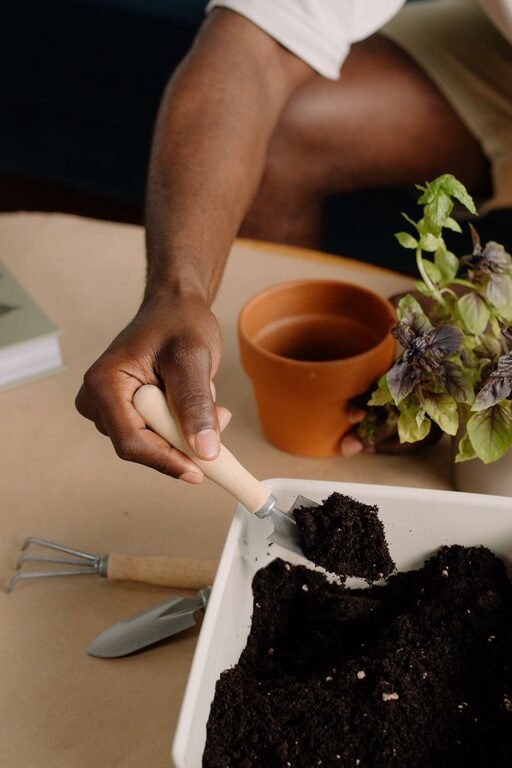
Starting a small herb garden indoors is a rewarding way to enjoy fresh flavors and greenery all year round. Whether you have a spacious kitchen windowsill or a cozy corner, growing herbs inside can be simple and satisfying. This guide will walk you through everything you need to know to get your indoor herb garden thriving.
Why Grow Herbs Indoors?
Growing herbs indoors offers several benefits:
– Fresh herbs at your fingertips for cooking and garnishing.
– Saves money compared to buying fresh herbs regularly.
– Adds natural greenery and fragrance to your home.
– Allows you to garden any time of year, regardless of weather.
Choosing the Right Herbs
Start by selecting herbs that grow well indoors and suit your cooking needs. Some of the best herbs for indoor gardening include:
– Basil: Loves warmth and lots of light.
– Parsley: Thrives in moderate sunlight.
– Chives: Easy to grow and tolerant to different light levels.
– Mint: Grows vigorously but keep in a separate pot to prevent spreading.
– Thyme: Prefers bright light and well-drained soil.
– Cilantro: Needs cooler temperatures and moderate light.
Choose two to four herbs to start with, so you don’t overwhelm yourself.
Selecting Containers and Soil
Containers
– Use pots with drainage holes to prevent waterlogging.
– Small to medium-sized pots (4-6 inches in diameter) work well for most herbs.
– Consider lightweight containers like plastic or ceramic.
– If space is limited, try vertical planters or window boxes.
Soil
– Use a high-quality potting mix designed for indoor plants.
– Avoid garden soil, which can be too dense and may contain pests.
– A mix that drains well but retains some moisture is ideal.
Finding the Right Spot
Herbs need plenty of natural light to grow well indoors.
– Place your herb garden where it can get at least 6 hours of sunlight daily.
– South or west-facing windows are usually best.
– If natural light is limited, consider using a grow light designed for plants.
Planting Your Herbs
You can start herbs from seeds, seedlings, or small plants bought at a nursery.
From Seeds
– Fill pots with potting mix, leaving about an inch from the top.
– Plant seeds according to the package instructions, usually at a shallow depth.
– Mist soil gently with water to keep it moist.
– Cover with plastic wrap or a clear lid to create a mini-greenhouse effect until sprouting.
From Seedlings or Small Plants
– Gently loosen the roots from the nursery container.
– Place the plant in your pot, fill around it with soil, and press gently.
– Water the plant thoroughly after planting.
Caring for Your Indoor Herb Garden
Watering
– Keep the soil consistently moist but not soggy.
– Check soil with your finger; water when the top inch feels dry.
– Avoid overwatering to prevent root rot.
Lighting
– Rotate your plants every few days to ensure all sides get light.
– If using grow lights, keep them on for 12-16 hours daily.
Feeding
– Use a diluted, water-soluble fertilizer every 4-6 weeks.
– Avoid over-fertilizing; herbs need only moderate nutrients.
Pruning and Harvesting
– Regularly pinch off leaves to encourage bushy growth.
– Harvest leaves in the morning for the best flavor.
– Avoid taking more than one-third of the plant at once.
Common Challenges and Solutions
– Leggy, weak plants: Usually a sign of insufficient light. Move closer to the window or add a grow light.
– Yellowing leaves: May indicate overwatering or poor drainage.
– Pests like aphids or spider mites: Wipe leaves with a damp cloth or use insecticidal soap.
– Wilting plants: Check moisture levels and root conditions.
Tips for Success
– Use a humidity tray or mist your herbs occasionally if your home is very dry.
– Group plants together to create a microclimate with higher humidity.
– Label your herbs to remember what you planted.
– Experiment with different pots and locations to find what works best for your space.
– Keep a small notebook to track watering, fertilizing, and growth progress.
Enjoying Your Herb Garden
Beyond cooking, your indoor herb garden can brighten your home and even make a lovely gift. Fresh herbs can be dried or frozen for later use, too. With just a little care, your indoor herb garden will become a beautiful and practical addition to your daily routine.
—
Growing a small herb garden indoors is easy, fun, and fulfilling. With the right plants, containers, and care, you can enjoy fresh herbs all year, right from your home. Happy gardening!